Start this off with a look back at last years, because for once I did a pretty fair job.
Here are my resolutions from last year:
- break 20 minutes in the Baycreek time trial
- I actually broke 19 minutes, so chalk that one up as a win.
- finish the Long Lake Long Boat Regatta long race (9 miles)
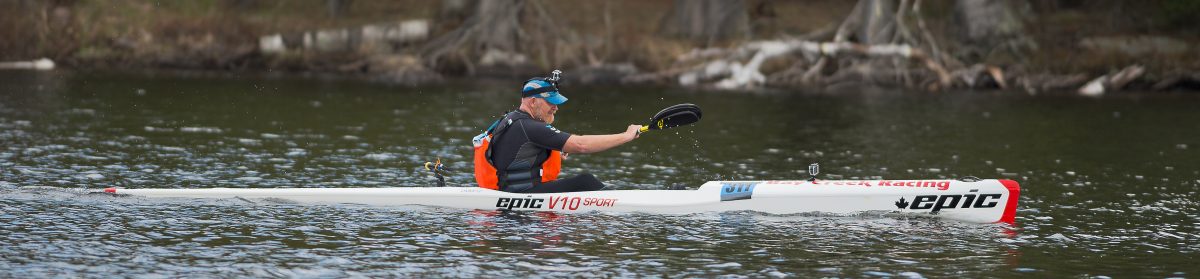
- I didn’t just finish, I came in 5 seconds behind Mike Finear, after dragging him in my wake for several miles. Another win.
- figure out if I want to continue flying or not.
- Gave up flying, didn’t really miss it. Found myself obsessing over every mistake I ever made in the air and about how blasé I was about the danger at the time. Trying to tell myself that’s because I was on my game back then so I could handle it, and now I’m out of practice I wouldn’t handle it so easily if it happened now. Can’t tell if that means I should never go back, or if I need to really practice a lot if I go back.
- develop an ajax web site, using either GWT or jquery or ruby on rails or something
- I started an iPhone app, but hit a snag and put it aside. Realized that the GWT web site would be a better help with my job search, and made some half decent progress on this before I actually got a job.
- diet
- That went pretty well. Between February and June I lost 40 pounds and then hit a plateau. Unfortunately it’s the same plateau I hit every time I go on a diet. Spend most of the fall still within spitting distance of being on the diet (it’s hard to be strict when you’re home all day) but not losing any weight. However, I think I was building some muscle mass in my arms and core, so maybe it wasn’t all that bad. Managed to gain 10 pounds of it back between Thanksgiving and now. Still a win, I think.
- exercise
- Yeah, pretty much. I started out the year being barely able to paddle 2 miles, and now a 10 mile workout holds no terror for me. Still trying to figure out how to keep that fitness over the off season. (Yeah, I know, “Off season? What’s that?” – getting out to paddle once in a blue moon is no substitute for paddling three or four times a week)
- get a better job
- Well, it took until a week before Christmas, but I got a decent contract job. Hopefully it will lead to more decent jobs.
- once more subject myself to the psychological torture of trying to get more treatment for my pain
- I didn’t actually do anything about this one. But between not having to sit at a desk, not having to drive much, losing weight and exercising more, my knees weren’t that bad. Of course after a week of driving 3 hours a day to my new job, my knees are now the worst they’ve been since back when I used to drive to Ottawa twice a month. Hopefully that will recover now that I’m working more from home.
- 1600×1200
- How about 1920×1080 on the left, and 1920×1200 on the right. Now *that* is resolution, baby!
That was the year that was. This is my list for this year:
- Break 17:30 in the Baycreek Time Trial. I’d like to break 17, but I think 17:30 is more attainable.
- Join NYMCRA and start competing for points. I’d like to do at least 5 of the points races this year, but they haven’t put out the 2010 calendar yet so I don’t know which ones those will be. Last year I did Tupper Lake, Armond Bassett, and Long Lake, and I could easily extend that to 5 by doing Round The Mountain or Bear Mountain and the long course at the Rochester Open Water Challenge. I probably won’t get a lot of points, because unlike the other guys I don’t get any handicap points because I’m not over 50 and my Thunderbolt is Unlimited Class. If I’m reading the points system right, at Long Lake I would have gotten 85 points because although I was only 5 seconds behind Mike F, he got handicap time for being in an EFT, a Touring Class boat and time for being over 50, so his adjusted time is 3:34 ahead of me. Competing for points might add a new twist to races, but mostly I see it as a reason to go to more races.
- Start building up my training volume. This year my GPS recorded 670 miles of kayaking, and that’s not including the early part of the season before I bought it, and the few times I forgot to charge the damn thing. I’d like to increase both the number of paddles and the length of them. If I can manage a few 20 mile plus days, I’d be slowly working towards doing the “90 Miler”, maybe in 2011 as a 50th birthday thing.
- Get the diet back on track and try to break through this plateau I was stuck at this fall.
- Finish revamping my navaid.com site into GWT so it doesn’t look like something designed in 1992, which it probably was.
- Figure out the GRIB thing that Laurie wants me to do.
- Hold onto this job, or find another one quickly when it ends.
- And that’s about it for the public ones.
Hopefully I’ll do as well this year as I did last.